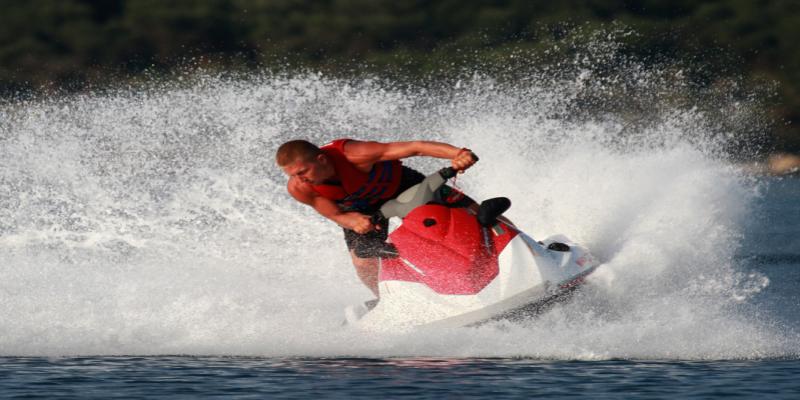
Jet Ski Safety : What Tourists Need to Know
Jet Ski Safety : What Tourists Need to Know
Jet skiing is an exciting water activity that offers thrilling adventures and a unique way to experience nature, especially in places like the Andaman Sea or famous beaches such as Patong. However, while the activity can be exhilarating, it requires careful attention to safety to ensure that your experience remains both enjoyable and secure. In this article, we will cover the essential safety measures you need to follow to have a safe and fun jet skiing experience.
1. Choosing a Certified Service Provider
When you decide to rent a jet ski, ensuring the safety of your experience starts with selecting a reliable and certified provider.
- Licensing and Accreditation: Choose a provider that is licensed and accredited by local authorities or tourism agencies. This ensures that the company adheres to safety standards and regulations.
- Inspecting the Jet Ski: Before you take off, make sure to inspect the condition of the jet ski. Check that the engine is functioning properly, the safety equipment (like life jackets) is in good condition, and that the jet ski itself is not damaged or in need of repair. A well-maintained jet ski is crucial for your safety on the water.
2. Wearing Safety Gear
No matter your experience level, wearing the correct safety gear is essential for ensuring your safety while jet skiing.
- Life Jacket: This is a must-wear item for every rider. Even experienced jet skiers should always wear a life jacket, as it provides essential buoyancy in case of an accident.
- Helmet: Jet ski helmets are recommended to protect your head in case of an accident or fall. This gear minimizes the risk of head injuries.
- Sunglasses and Sun Protection: Sunglasses protect your eyes from the harsh glare of the sun off the water, while sun protection (like sunscreen) is essential to shield your skin from harmful UV rays during extended periods on the water.
3. Listening to the Instructor's Guidance
If you're new to jet skiing, you will likely have an instructor guiding you through the basic operations. This step is important for both your safety and enjoyment.
- Training: Certified instructors will provide you with all the basic skills needed to operate the jet ski, such as how to control the throttle, how to navigate, and how to properly handle the engine.
- Rules and Regulations: Pay close attention to the safety rules and regulations, such as:
- Maintaining a safe distance from other jet skis.
- Avoiding high-speed zones or areas where there are strong waves, rocks, or boat traffic.
- Always following your instructor’s directions during your session.
4. Maintaining a Safe Distance from Other Riders
Jet skiing can be a fun group activity, but it’s important to maintain a safe distance from other riders to avoid collisions and accidents.
- Keep a Safe Distance: Always keep at least 20 meters between your jet ski and others to reduce the risk of collision or loss of control.
- Avoid Crowded Areas: Refrain from riding in congested water areas, especially near piers, or where there’s heavy boat traffic. High-density traffic increases the risk of accidents and makes it harder to maneuver.
5. Avoid Jet Skiing in Poor Weather Conditions
The weather plays a significant role in ensuring your jet skiing experience is safe.
- Avoid High Winds and Heavy Rain: Never jet ski in bad weather, especially during heavy rain or high winds. These conditions can make it harder to control the jet ski and increase the risk of accidents.
- Check the Weather Forecast: Always check the weather forecast before heading out to ensure there are no storms, high waves, or dangerous conditions that could make jet skiing unsafe.
6. Controlling Speed and Safe Riding Practices
While the thrill of jet skiing can make you want to go fast, controlling your speed and riding safely is essential.
- Don’t Go Too Fast: Especially in shallow waters or near islands and shorelines. Speeding can increase the risk of accidents, especially if you lose control in tight spaces.
- Avoid Risky Maneuvers: Avoid performing high-speed stunts or risky maneuvers in areas with rocks, coral reefs, or other underwater hazards.
- Maintain Smooth Turns: Make sure you are making smooth and gradual turns instead of sharp, sudden movements. This reduces the chance of slipping, falling off the jet ski, or flipping.
7. Aftercare for the Jet Ski
Once you're finished with your session, it's important to take care of the jet ski to ensure it’s in proper condition for the next use.
- Inspection: After use, check the jet ski for any signs of damage or malfunction. Ensure that the oil levels, brake systems, and other essential parts are in good condition.
- Cleaning: Rinse the jet ski with fresh water after using it in saltwater to remove any salt buildup and dirt. This will help maintain the condition of the jet ski and extend its lifespan.
8. Additional Tips to Remember
- No Alcohol: Avoid consuming alcohol before or during your jet skiing session. Alcohol impairs your decision-making and control over the jet ski.
- Observe Sea Conditions: Always assess the water conditions before getting on a jet ski. If there are high waves or a storm is approaching, avoid going out.
- Check Your Equipment: Always check your equipment and the route before each ride to ensure everything is functioning properly and there are no problems.
Conclusion
Jet skiing is an exciting and adventurous water sport, but it also comes with inherent risks. By following the proper safety measures, including choosing a certified provider, wearing the appropriate safety gear, listening to your instructor, maintaining a safe distance, controlling your speed, and avoiding poor weather conditions, you can ensure that your jet skiing experience is safe, enjoyable, and memorable.
Taking these precautions will allow you to fully enjoy the thrill of jet skiing while minimizing the risk of accidents. Stay safe and have fun!